Wrocław
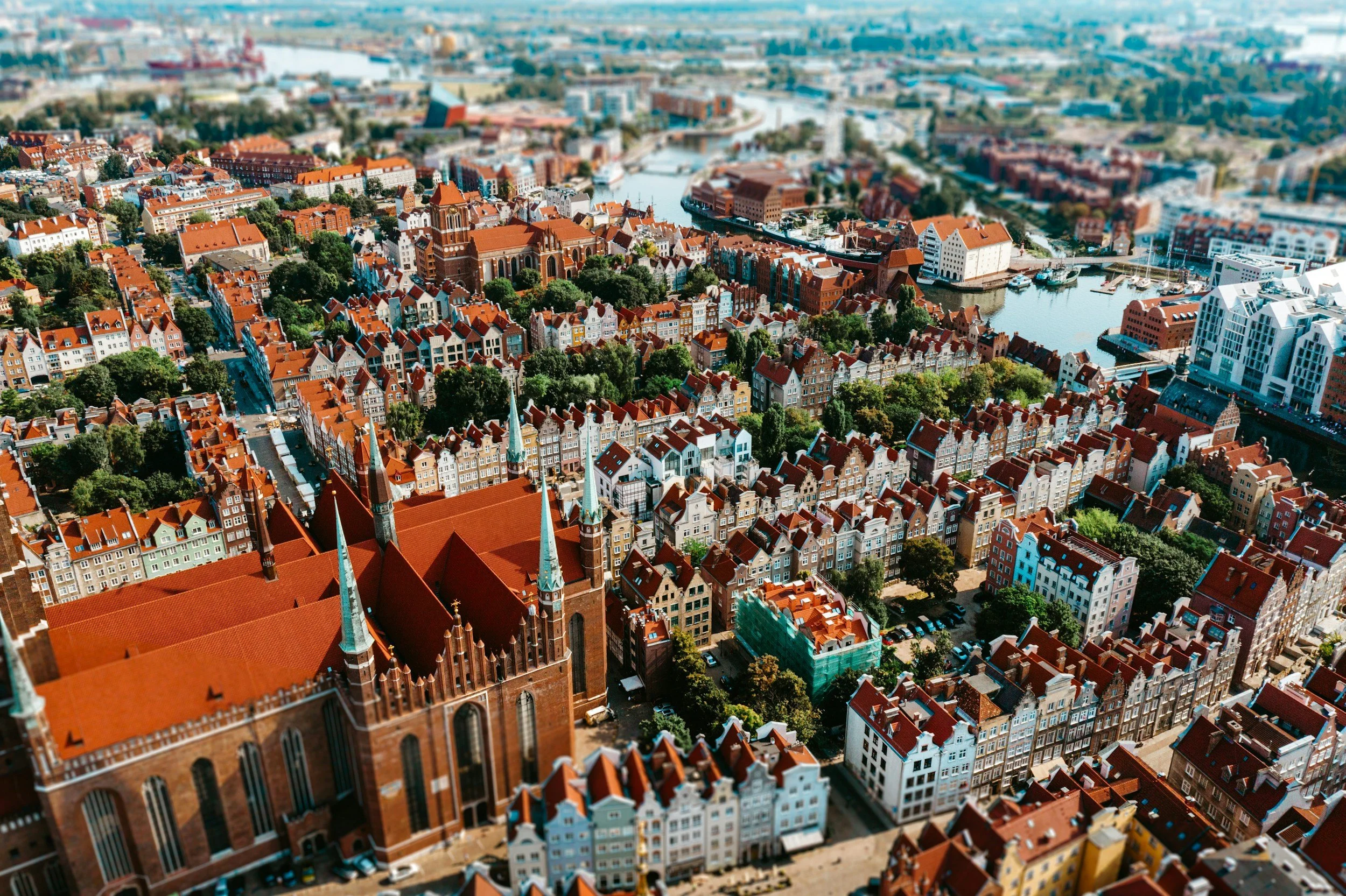
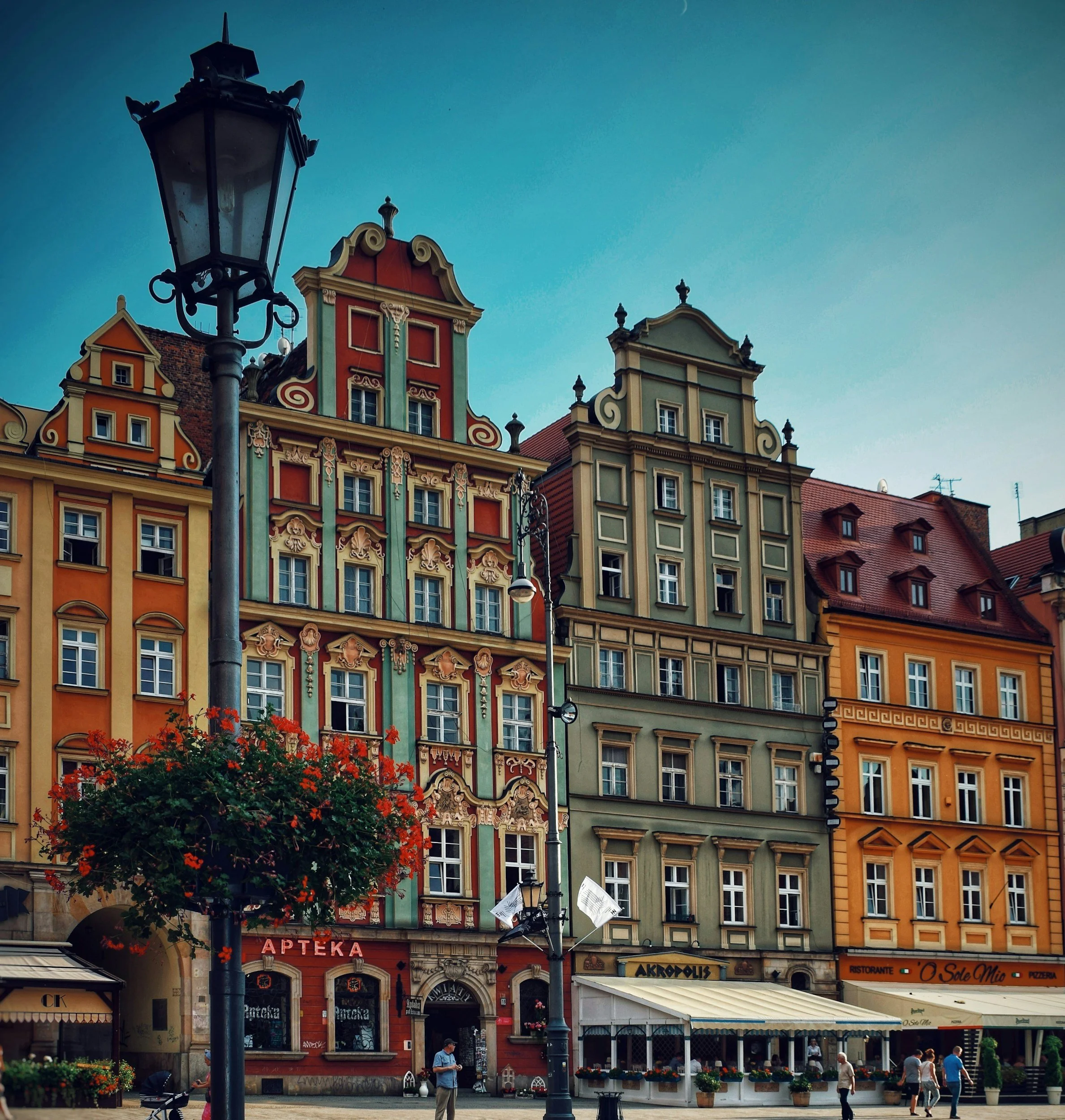
Wrocław, at a first glance, seems charming and uncomplicated (unlike it’s name - which is pronounced Vrot-swaaf). It’s a very cool place, with a very different vibe to Warsaw and Kraków. Very relaxed, with slightly alternative feel to it. Great nightlife and cafe culture.
Scratch the surface and dive into the history of this city, and I guarantee you will find it one of the most fascinating and complex.
Wrocław’s history is often summed up as a long chain of handovers and turning points - each left deep marks.
It began as a Piast stronghold, then shifted to Bohemian rule, later to the Habsburgs, then Prussia, and finally became Third Reich’s Breslau before returning to Poland after 1945, and the complete post‑war population exchange. Each change brought a new language, new laws and a new idea of who the city was meant to belong to.
This year, we start our tours in Wrocław in July - stay tuned!
Tour Itinerary
■
Stalin’s playground: Breslau to Wrocław
Wrocław’s post‑war story is one of the most dramatic transitions in Central Europe, and the places around the city still carry that atmosphere. When the Third Reich collapsed, Breslau was a ruined fortress city. The Soviets entered first, and what followed was a mix of chaos, violence and forced decisions. The German population fled or was expelled, and a significant number of former Breslauers ended up in Saxony, especially Dresden . At the same time, Poles from the eastern borderlands – people who had lost their own homes to Soviet annexation – were resettled into Wrocław. They arrived to a city full of abandoned apartments, hidden valuables and the eerie feeling of stepping into someone else’s life. Many early residents talk about choosing a flat, opening cupboards full of German belongings, and living with the sense that nothing around them was truly theirs, yet there was nowhere to return to.
For years, stories circulated about hidden German gold, stashes of money, jewellery and everyday objects left behind by families fleeing the Red Army. Some of it was myth, but some was real – people did find valuables tucked into walls, gardens and cellars, hidden in the panic of 1945. It added another layer to the strange, unsettled atmosphere of the early post‑war years.
This is a story of entire communities uprooted from the east and dropped into a city that felt foreign, damaged and haunted. Over time, though, old and new generations together managed to build their home here.
-
Designed for all budgets, this is a tip-based payment tour. At the end of the tour you will be able to pay in cash (any currency) or card. Please feel free to tip as appropriate, depending on the quality of your experience with our tour, and the size of your budget. We have no expectations or guidance around the typical amount, we trust our guests are best judges in this respect.
-
This tour is typically 90-minutes. The schedule will be confirmed once we start this tour in July.
-
The route is currently being revised and enhanced - the details will be confirmed closer to the season’s start date.
-
We are happy to accommodate different disabilities by adjusting the pace, route and tweaking the content.
Fortress Wrocław: the collapse of the Third Reich
Wrocław under the Third Reich is a walk through a city that was reshaped, controlled and ultimately sacrificed by the regime. It looks at how public space was turned into a stage for propaganda, how fear and surveillance became part of daily life, and how institutions were absorbed into the machinery of Nazification.
The story builds toward Festung Breslau – the moment when the city was declared a fortress, civilians were forced to evacuate, and whole districts were turned into defensive lines. The siege that followed brought starvation, destruction and one of the last major German surrenders of the war. By the time the fortress collapsed in May 1945, Breslau was in ruins and the Third Reich was days away from disappearing. T
he tour traces that arc in the streets where it happened, ending with the contrast between the world the Nazis tried to build and the one that survived them.
-
Designed for all budgets, this is a tip-based payment tour. At the end of the tour you will be able to pay in cash (any currency) or card. Please feel free to tip as appropriate, depending on the quality of your experience with our tour, and the size of your budget. We have no expectations or guidance around the typical amount, we trust our guests are best judges in this respect.
-
This tour is typically 90-minutes. The schedule will be confirmed once we start this tour in July.
-
The route is currently being revised and enhanced - the details will be confirmed closer to the season’s start date.
-
The route will present challenge to wheelchair users, due to cobblestones and slopes.
We are happy to accommodate different disabilities by adjusting the pace, route and tweaking the content.
Tours in other cities
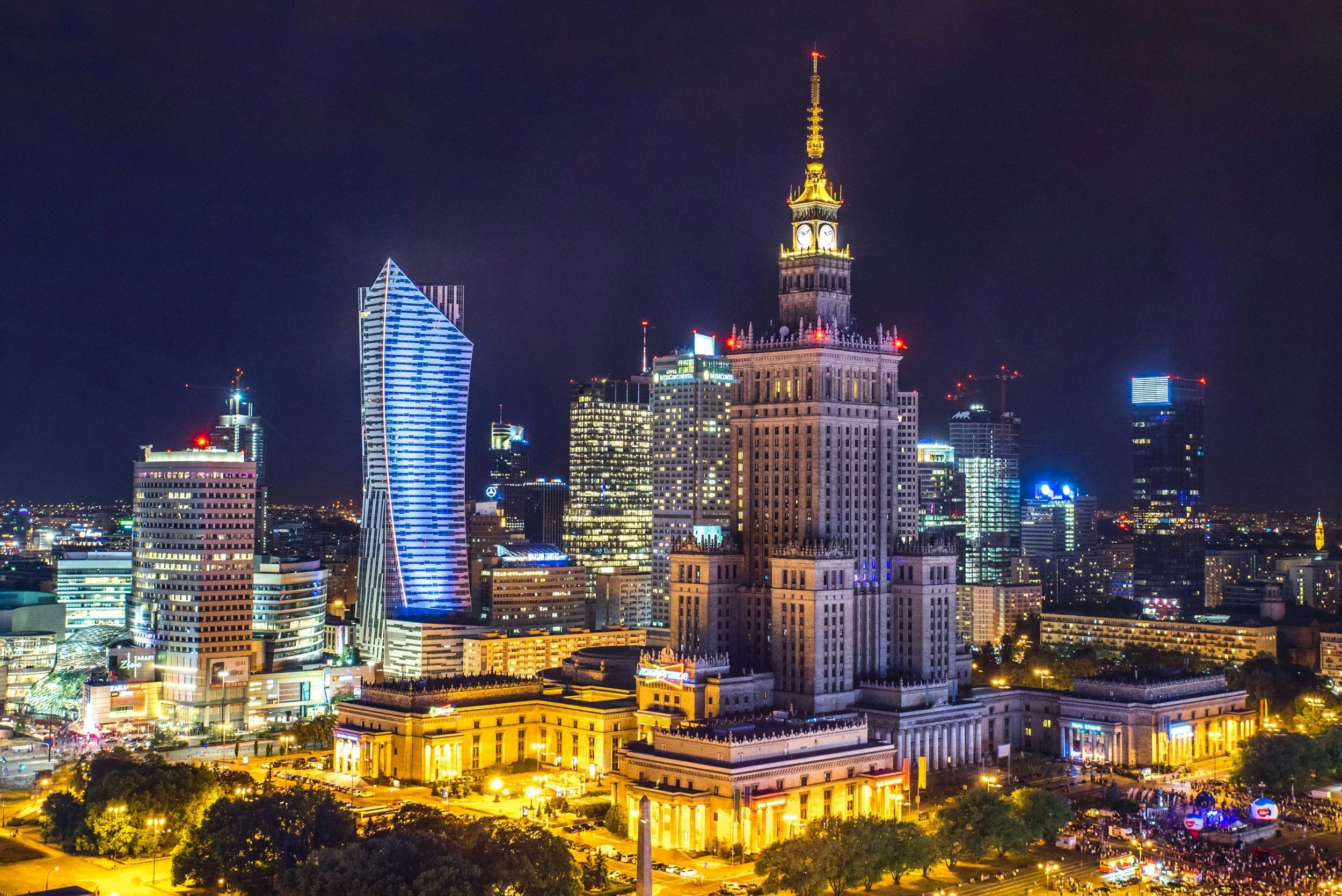
Warsaw
All year-round tours
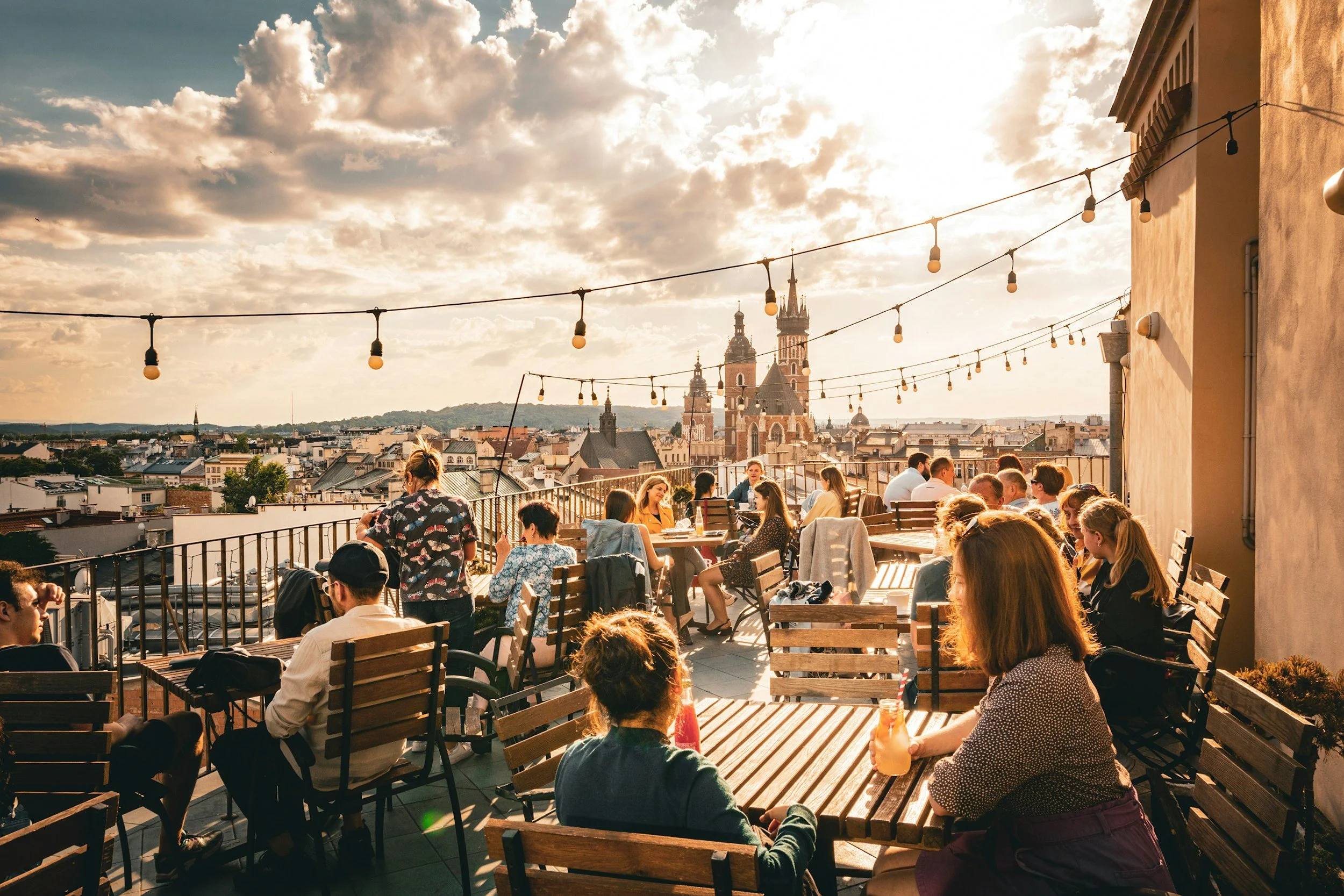
Kraków
Tours start this summer
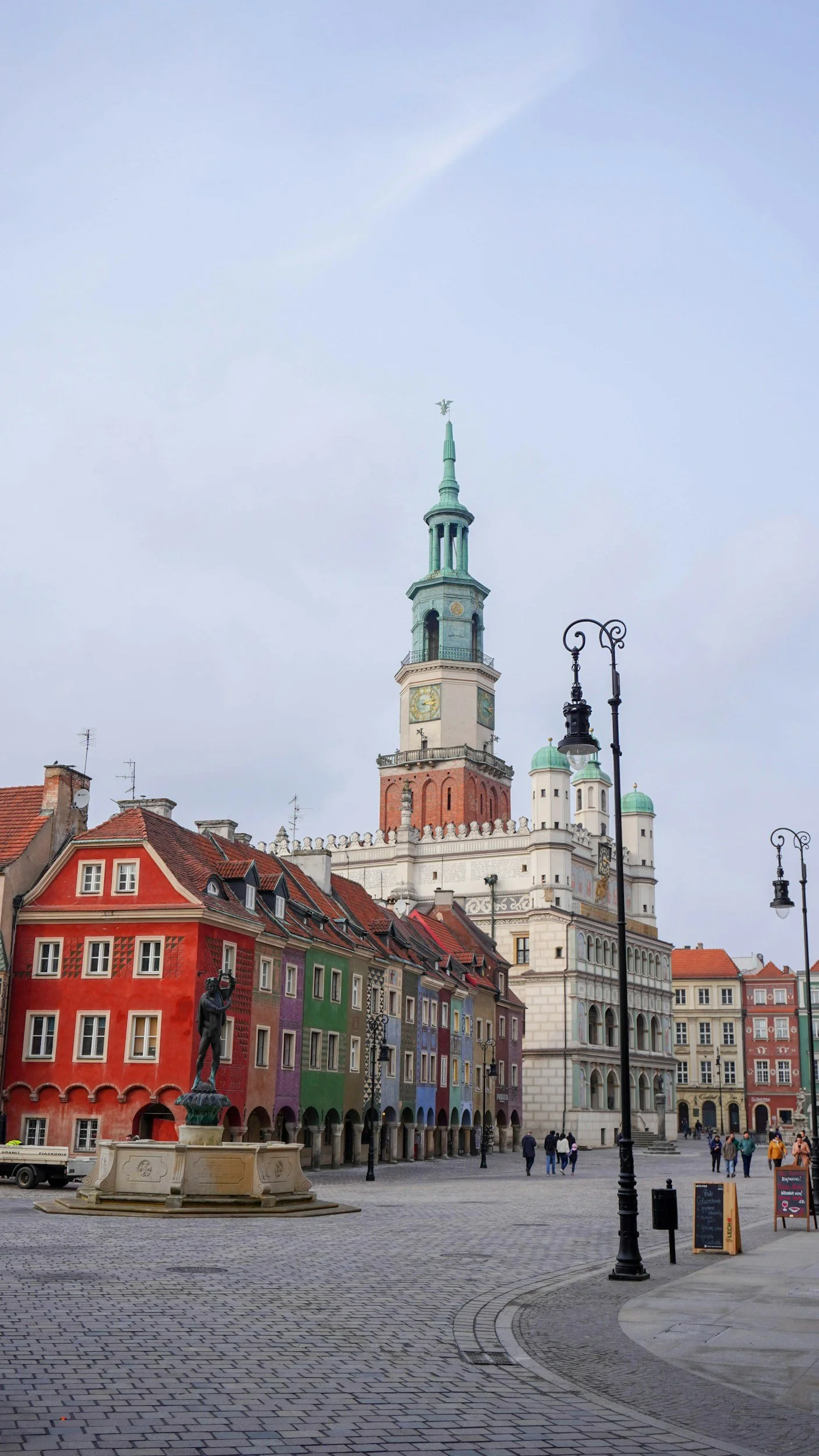
Poznań
Tours start this summer